

Written by My Collaborative Team President Edward S. Sachs
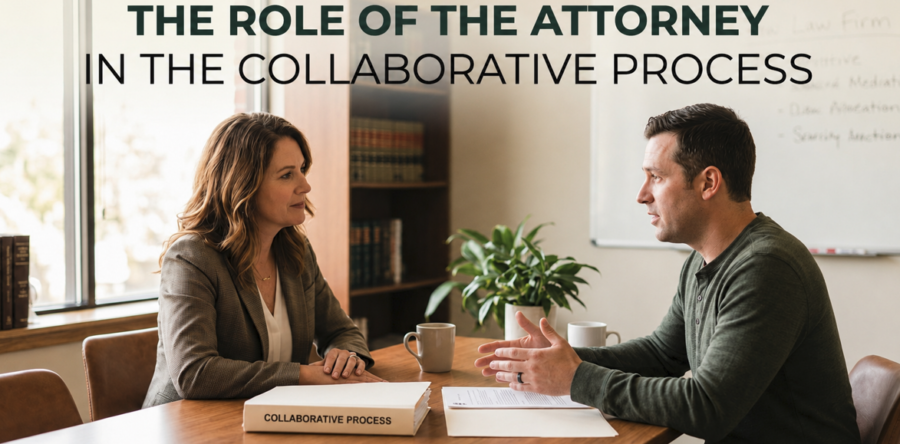
Many years ago, I did a presentation of the Collaborative Process with attorney Charlie Jamieson of West Palm Beach. He defined the role of the attorney in the Process quite succinctly. Their role is to keep their clients engaged in the Process. I’ve heard it further described in these terms. Assume you are at a dinner party. The neutrals are in the kitchen gathering the needed ingredients and preparing the meal. The attorneys are in the living room entertaining the guests until the neutrals are done with their work.
In the Collaborative Process, the attorney's role is fundamentally different from that of a traditional litigation attorney. Rather than preparing for trial or seeking to "win," the Collaborative attorney serves as a trusted advisor, skilled negotiator, and problem-solving advocate whose primary responsibility is to help the client reach a durable, informed, and mutually acceptable agreement.
A Collaborative attorney remains a dedicated advocate for the client. Advocacy, however, is measured by how well the attorney helps the client achieve their long-term interests rather than by defeating the other party.
Collaborative attorneys should spend far more time counseling than arguing. Instead of bargaining over positions, Collaborative attorneys help uncover the interests underlying each person's requests. Understanding these interests often opens the door to creative solutions. Collaborative Practice depends on full and voluntary disclosure. Attorneys encourage the honest exchange of information, prompt production of documents and avoiding gamesmanship or strategic withholding of information. Transparency builds trust and reduces unnecessary conflict.
Unlike traditional litigation, Collaborative attorneys work alongside other professionals as a team. The attorney contributes legal expertise while respecting the expertise of other professionals.
Collaborative attorneys help clients communicate productively rather than escalating conflict. They spend significant time making sure their clients are prepared for option-building. Well-prepared clients negotiate more confidently and productively.
Perhaps the attorney's most important role is to support client self-determination. The attorney provides advice without coercion, explains options rather than directing decisions and respects the client's informed choices, even when the attorney might choose differently. The client's decisions belong to the client.
In addition to representing the client, the Collaborative attorney helps protect the integrity of the process itself by maintaining civility, building trust, encouraging transparency discouraging threats and positional bargaining, keeping negotiations focused on problem-solving and modeling respectful communication. This role benefits not only the individual client but also the process that makes resolution possible.
The Collaborative attorney remains a loyal advocate, but the measure of success is not victory over an opponent. It is helping clients resolve conflict with dignity, informed consent, and solutions that are fair, practical, and sustainable.
For many Collaborative practitioners, this represents a shift from being a "warrior" to being a "problem-solving counselor"—an attorney who combines legal expertise with negotiation skills, empathy, and a commitment to helping families navigate one of life's most challenging transitions constructively.